Home of Creativity
العودة للمقالات

كيف تستعد للمشاركة في معرض تجاري؟ دليل تصميم البوث من الفكرة إلى الافتتاح

يُعد المعرض التجاري من اللحظات القليلة التي تلتقي فيها علامتك بالعملاء المحتملين والموزعين والشركاء وجهاً لوجه، وسط منافسين يسعون إلى الشيء نفسه. ففي قاعة مليئة بالأجنحة، يقرر الزائر خلال ثوانٍ ما إذا كان سيتوقف أو يواصل السير. والبوث المصمم بعناية، المدعوم بخطة واضحة قبل الحدث وأثناءه وبعده، هو ما يحوّل تلك اللحظة إلى فرص عمل حقيقية.
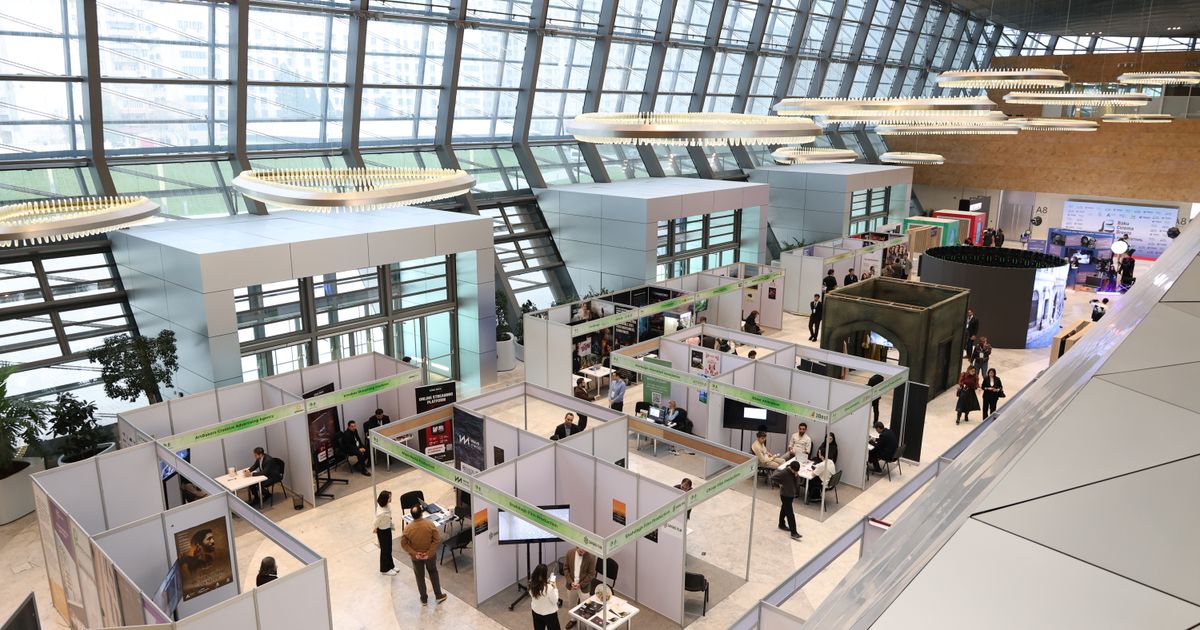
قاعة معرض تجاري مزدحمة بالأجنحة والزوار

يشرح هذا الدليل كيفية الاستعداد للمشاركة في معرض في دمشق أو الرياض أو أي مكان في المنطقة: كيف تحدد الأهداف، وكيف تصمم بوثاً يجذب الزوار المناسبين، وما الذي يجب تجهيزه من مواد وفريق، وكيف تتابع بعد المعرض ليؤتي الاستثمار ثماره.

لماذا لا تزال المعارض مهمة للشركات؟

رغم نمو التسويق الرقمي، تبقى المعارض قناة رئيسية للقاء المشترين والشركاء شخصياً. وينشر الاتحاد العالمي لصناعة المعارض (UFI) مؤشراً دورياً بعنوان "Global Exhibition Barometer"، وقد استندت نسخته السابعة والثلاثون الصادرة في يوليو 2026 إلى بيانات 466 شركة في 59 دولة ومنطقة، وضمّت السعودية ضمن أسواقها العشرين موضع التركيز. وبالنسبة إلى الشركات في سوريا والخليج، تتيح المعارض المحلية والإقليمية فرصة مكثفة لإطلاق المنتجات وتوقيع الاتفاقيات وبناء علاقات يصعب بناؤها عبر الإنترنت.

الخطوة الأولى: حدد أهدافاً واضحة للمشاركة

قبل التفكير في التصميم، حدد شكل النجاح. ومن الأهداف الشائعة:

  • جمع عدد مستهدف من العملاء المحتملين المؤهلين.
  • إطلاق منتج أو خدمة جديدة.
  • لقاء موزعين أو وكلاء أو جهات حكومية.
  • تعزيز الوعي بالعلامة في سوق جديدة.
  • إبرام صفقات أو استلام طلبات أثناء الحدث.

كل هدف يشكّل البوث بطريقة مختلفة؛ فإطلاق منتج يحتاج إلى منطقة عرض وتجربة قوية، بينما يحتاج هدف جمع العملاء المحتملين إلى مساحة للحوار وطريقة سريعة لتسجيل بيانات التواصل.

الخطوة الثانية: افهم المساحة والقواعد

احصل مبكراً على دليل العارضين من الجهة المنظمة، فهو يحدد عادةً أبعاد الجناح والارتفاع الأقصى والجوانب المفتوحة والتغذية الكهربائية والأرضيات والهياكل المعلقة وقواعد السلامة من الحرائق ومواعيد تسليم المخططات. واعرف ما إذا كان جناحك داخلياً (بجانب مفتوح واحد)، أو زاوية (بجانبين مفتوحين)، أو شبه جزيرة (بثلاثة جوانب)، أو جزيرة (بأربعة جوانب)، لأن ذلك يغيّر طريقة اقتراب الزوار منه.

الخطوة الثالثة: صمم بوثاً فعالاً

اجعل العلامة مرئية من بعيد

ضع الشعار ورسالة قصيرة وواضحة على ارتفاع كافٍ لتُرى فوق رؤوس الزوار. ويجب أن تقول الرسالة ما تقدمه في كلمات قليلة، لا أن تسرد كل الخدمات.

وزّع المساحة بذكاء

يوازن التخطيط الجيد بين ثلاث مناطق: منطقة العرض حيث تجذب المنتجات أو الشاشات الانتباه، ومنطقة الاستقبال حيث يُرحَّب بالزوار ويُجاب عن أسئلتهم، ومنطقة الحوار وهي ركن أهدأ أو طاولة صغيرة للنقاشات الجادة. وتجنب إغلاق الواجهة بطاولات تشكل حاجزاً بين فريقك والزوار.

طبّق هويتك البصرية باتساق

يجب أن تتوافق الألوان والخطوط والصور والعناصر الرسومية مع هوية علامتك، ليبدو البوث امتداداً مادياً لموقعك الإلكتروني وحساباتك على السوشال ميديا. كما يسهّل هذا الاتساق تذكّر علامتك بعد المعرض.

عارضون يتحدثون مع الزوار في جناح بمعرض تجاري

استخدم الإضاءة والشاشات والمواد بحكمة

الإضاءة الجيدة تُظهر المنتجات بصورة أفضل وتلفت الانتباه في القاعات الكبيرة. ويمكن للشاشات عرض فيديوهات المنتجات أو دراسات الحالة، لكن اجعلها قصيرة ومفهومة دون صوت بفضل الترجمة النصية. واختر مواد متينة وسهلة النقل، وقابلة لإعادة الاستخدام في المعارض القادمة قدر الإمكان.

اعتمد تصوراً ثلاثي الأبعاد قبل التنفيذ

يتيح لك التصميم ثلاثي الأبعاد مراجعة التخطيط والنسب وتطبيق الهوية وحركة الزوار قبل بناء أي شيء، وبعد اعتماده يصبح المرجع لملفات التنفيذ والتنسيق مع جهات التصنيع.

قاعة مؤتمرات بلوحات إرشادية كبيرة

الخطوة الرابعة: جهّز المواد والهدايا

  • المطبوعات: ملف الشركة التعريفي والبروشورات وقوائم الأسعار، مصممة بهويتك ومجهزة بالعربية والإنجليزية عند الحاجة.
  • الأدوات الرقمية: رمز QR يقود إلى موقعك أو واتساب أو كتالوج المنتجات.
  • الهدايا الدعائية: قطع عملية تحمل علامتك بعناية، يحتفظ بها الزوار ويستخدمونها.
  • تسجيل العملاء المحتملين: نموذج أو تطبيق بسيط لتسجيل بيانات الزوار وملاحظات الحوار.

الخطوة الخامسة: جهّز الفريق

أفضل بوث يفشل دون الأشخاص المناسبين. عرّف فريقك بالأهداف والرسائل الأساسية وسياسات التسعير وكيفية تقييم جدية الزوار، واتفقوا على اللباس ومواعيد المناوبات ومن يتولى كل نوع من الزوار. ويجب أن يبادر الفريق إلى التحدث مع الزوار بثقة وأن يتجنب الانشغال بالهواتف.

الخطوة السادسة: روّج قبل الحدث وأثناءه

أعلن عن مشاركتك على السوشال ميديا مع رقم جناحك، وادعُ عملاءك وشركاءك الحاليين، وشارك قصصاً وريلز مباشرة أثناء الحدث. فالفيديوهات القصيرة عن جناحك وعروض المنتجات ولحظات الزوار توسّع نطاق المعرض إلى ما هو أبعد من القاعة.

الخطوة السابعة: تابع بعد المعرض

يأتي جزء كبير من عائد المعرض من المتابعة. تواصل مع العملاء المحتملين خلال أيام قليلة ما دام الحديث حاضراً في أذهانهم، وأرسل المعلومات وعروض الأسعار الموعودة، وسجّل كل فرصة. وأخيراً قيّم النتائج مقارنةً بأهدافك: عدد العملاء المحتملين وجودتهم، والاجتماعات المنعقدة، والصفقات المبرمة، والدروس المستفادة للمشاركة القادمة. وللاطلاع على المعايير والأبحاث الخاصة بأداء الفعاليات، يمكن لمصادر مثل مركز أبحاث صناعة المعارض (CEIR)، وهو قسم الأبحاث في IAEE، أن تساعدك على مقارنة نتائجك ببيانات القطاع الأوسع.

أخطاء شائعة في المشاركة بالمعارض

  • البدء بالتصميم متأخراً ودفع تكاليف إضافية مقابل تنفيذ مستعجل.
  • إثقال البوث بالنصوص والرسائل.
  • تجاهل القواعد الفنية للجهة المنظمة ومواعيدها.
  • غياب نظام لتسجيل العملاء المحتملين ومتابعتهم.
  • التعامل مع المعرض على أنه حدث ليوم واحد دون ترويج أو متابعة.

المعارض وتصميم البوثات مع بيت الإبداع

تشمل خدمة تصميم البوثات في بيت الإبداع فكرة البوث وتوزيع المساحة، والتصميم ثلاثي الأبعاد، وتطبيق الهوية والجرافيك، وملفات التنفيذ والتنسيق مع المنفذين، مع اعتماد التصميم ثلاثي الأبعاد معك قبل التنفيذ. وللشركات التي تنظم فعاليات أكبر أو تشارك فيها، تتولى خدمة تنظيم المعارض والمؤتمرات التخطيط والهوية البصرية للحدث والمطبوعات وتجهيز المكان والتنسيق في يوم الحدث. ويمكنك الاطلاع على نماذج في مشاريع المعارض والمؤتمرات والبوثات.

الأسئلة الشائعة

متى يجب أن أبدأ الاستعداد للمعرض؟

ابدأ في أبكر وقت ممكن، ويفضل قبل مواعيد الجهة المنظمة لتسليم المخططات والتنفيذ بعدة أسابيع، فالتخطيط المبكر يمنح وقتاً للتصميم والموافقات والتصنيع والطباعة وتجهيز الفريق.

ما الفرق بين تصميم البوث وتنظيم المعرض؟

يركز تصميم البوث على جناح شركتك داخل المعرض، بينما يشمل تنظيم المعرض التخطيط للحدث كاملاً وإدارته، بما في ذلك هويته وتجهيز المكان والتنسيق.

هل سأرى التصميم قبل التنفيذ؟

نعم؛ فالعملية الاحترافية تتضمن تصوراً ثلاثي الأبعاد تراجعه وتعتمده قبل تجهيز ملفات التنفيذ.

كيف يمكن لبوث صغير أن يتميز؟

ركّز على رسالة واحدة واضحة، وحضور قوي للعلامة على مستوى النظر وما فوقه، وإضاءة جيدة، وتخطيط مفتوح، وعنصر جاذب مثل عرض حي للمنتج أو شاشة.

كيف أقيس نجاح المشاركة في المعرض؟

قارن النتائج بأهدافك: العملاء المحتملون المؤهلون، والاجتماعات المنعقدة، والصفقات أو الطلبات المبرمة، ونسب التحويل خلال المتابعة في الأسابيع التالية للحدث.

الخلاصة

تجمع المشاركة الناجحة في المعارض بين أهداف واضحة، وبوث مخطط له بعناية يعكس هويتك، ومواد وفريق جاهزين، وترويج نشط، ومتابعة منضبطة. وعندما تعمل هذه العناصر معاً، يصبح جناحك مكاناً تبدأ منه العلاقات والصفقات.

لتصميم بوثك القادم أو تنظيم فعاليتك، تواصل مع بيت الإبداع عبر قسم التواصل، أو عبر البريد الإلكتروني [email protected]، أو عبر واتساب.

Back to articles

Exhibition Booth Design Guide: How to Prepare for a Trade Show

A trade exhibition is one of the few moments when your brand meets potential clients, distributors and partners face to face, surrounded by competitors doing the same. In a hall full of stands, visitors decide within seconds whether to stop or keep walking. A well-designed booth, supported by a clear plan before, during and after the event, is what turns that moment into real business.

Busy trade show hall with exhibition booths and visitors

This guide explains how to prepare for an exhibition in Damascus, Riyadh or anywhere in the region: how to set goals, how to design a booth that attracts the right visitors, what to prepare in materials and team, and how to follow up so the investment pays off.

Why are exhibitions still important for businesses?

Despite the growth of digital marketing, exhibitions remain a major channel for meeting buyers and partners in person. UFI, the global association of the exhibition industry, publishes a regular Global Exhibition Barometer; its 37th edition, released in July 2026, was based on data from 466 companies in 59 countries and regions and included Saudi Arabia among its 20 focus markets. For companies in Syria and the Gulf, local and regional exhibitions offer a concentrated opportunity to launch products, sign agreements and build relationships that are hard to create online.

Step 1: Set clear goals for participation

Before thinking about design, decide what success looks like. Common goals include:

  • Collecting a target number of qualified leads.
  • Launching a new product or service.
  • Meeting distributors, agents or government entities.
  • Strengthening brand awareness in a new market.
  • Closing deals or taking orders during the event.

Each goal shapes the booth. A product launch needs a strong display and demonstration area; a lead-generation goal needs space for conversations and a fast way to capture contact details.

Step 2: Understand the space and the rules

Obtain the organiser's exhibitor manual early. It usually defines stand dimensions, maximum height, open sides, electrical supply, flooring, hanging structures, fire safety rules and deadlines for submitting drawings. Know whether your stand is inline (one open side), corner (two open sides), peninsula (three) or island (four), because this changes how visitors approach it.

Step 3: Design a booth that works

Make the brand visible from a distance

Place the logo and a short, clear message high enough to be seen over the heads of visitors. The message should say what you offer in a few words, not list every service.

Distribute the space intelligently

A good layout balances three zones: display, where products or screens attract attention; reception, where visitors are welcomed and questions answered; and conversation, a quieter corner or small table for serious discussions. Avoid blocking the front with tables that create a barrier between your team and visitors.

Apply your visual identity consistently

Colours, typography, imagery and graphic elements should match your brand identity so the booth feels like a physical extension of your website and social media. Consistency also makes your brand easier to remember after the event.

Exhibitors talking with visitors at a trade show booth

Use lighting, screens and materials wisely

Good lighting makes products look better and draws attention in large halls. Screens can show product videos or case studies, but keep them short and silent-friendly with captions. Choose materials that are durable, easy to transport and, where possible, reusable for future exhibitions.

Approve a 3D visualisation before production

A three-dimensional design lets you review the layout, proportions, branding and visitor flow before anything is built. Once approved, it becomes the reference for production files and for coordination with fabricators.

Conference venue hall with large directional signage

Step 4: Prepare materials and giveaways

  • Printed materials: company profile, brochures and price lists, designed in your identity and prepared in Arabic and English if needed.
  • Digital tools: a QR code linking to your website, WhatsApp or product catalogue.
  • Promotional gifts: practical, well-branded items that visitors will keep and use.
  • Lead capture: a simple form or app to record visitor details and notes during conversations.

Step 5: Prepare the team

The best booth fails without the right people. Brief your team on goals, key messages, pricing policies and how to qualify visitors. Agree on dress code, shift times and who handles which type of visitor. Staff should approach visitors confidently and avoid spending time on their phones.

Step 6: Promote before and during the event

Announce your participation on social media with your stand number, invite existing clients and partners, and share live stories and reels during the event. Short videos of your booth, product demos and visitor moments extend the reach of the exhibition beyond the hall.

Step 7: Follow up after the exhibition

Much of the return on an exhibition comes from follow-up. Contact leads within a few days while the conversation is still fresh, send the promised information and quotations, and record every opportunity. Finally, evaluate results against your goals: number and quality of leads, meetings held, deals closed and lessons for the next participation. For benchmarks and industry research on event performance, resources such as the Center for Exhibition Industry Research (CEIR), the research division of IAEE, can help you compare your results with wider industry data.

Common exhibition mistakes

  • Starting the design too late and paying extra for rushed production.
  • Overloading the booth with text and messages.
  • Ignoring the organiser's technical rules and deadlines.
  • Having no system to capture and follow up leads.
  • Treating the exhibition as a one-day event with no promotion or follow-up.

Exhibitions and booth design with Home of Creativity

Home of Creativity's booth design service covers the booth concept and space planning, 3D design, application of your identity and graphics, and production files with coordination with fabricators, with the 3D design approved with you before production. For companies organising or participating in larger events, our exhibitions and conferences service handles planning, event identity and printed materials, venue preparation and on-site coordination. You can see examples in our events, exhibitions and booths projects.

Frequently asked questions

When should I start preparing for an exhibition?

Start as early as possible, ideally several weeks before the organiser's deadlines for drawings and production. Early planning gives time for design, approvals, fabrication, printing and team preparation.

What is the difference between booth design and exhibition organisation?

Booth design focuses on your company's stand within an exhibition, while exhibition organisation covers planning and running the whole event, including identity, venue setup and coordination.

Will I see the design before production?

Yes. A professional process includes a 3D visualisation that you review and approve before production files are prepared.

How can a small booth stand out?

Focus on one clear message, strong branding at eye level and above, good lighting, an open layout and an engaging element such as a product demo or screen.

How do I measure the success of exhibition participation?

Compare results against your goals: qualified leads collected, meetings held, deals or orders closed and follow-up conversions in the weeks after the event.

Conclusion

A successful exhibition combines clear goals, a well-planned booth that reflects your identity, prepared materials and team, active promotion and disciplined follow-up. When these elements work together, your stand becomes a place where relationships and deals begin.

To design your next booth or organise your event, contact Home of Creativity through the contact section, by email at [email protected] or on WhatsApp.